
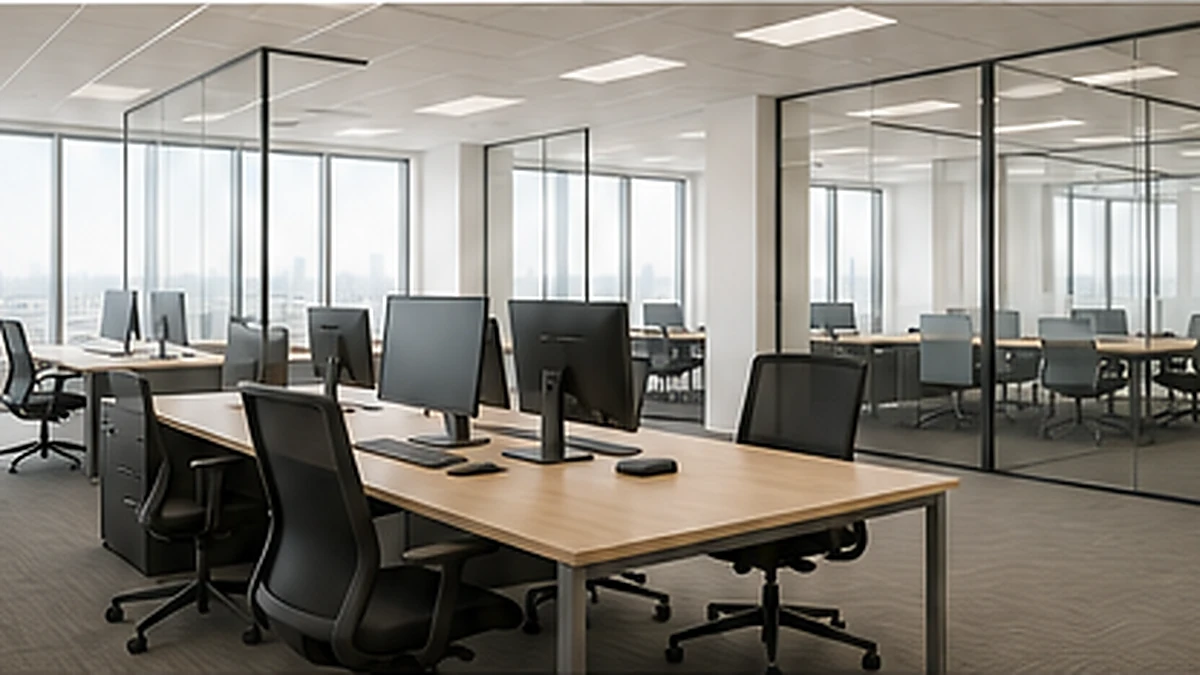
A professionally clean office is not simply an office that looks tidy. It is a workplace where reception areas, restrooms, floors, glass, shared spaces, high-touch surfaces, and employee areas are maintained consistently enough that clients and staff do not notice cleaning problems in the first place.
For businesses throughout Tampa Bay, professional presentation often starts before a client speaks to anyone. Fingerprints on entry glass, overflowing trash, dusty reception furniture, stained floors, or an untidy restroom can immediately affect how a workplace feels.
The goal of professional office cleaning is therefore not perfection for a few hours after a cleaning visit. The goal is to create a repeatable standard of cleanliness that matches the way the business actually operates.
This checklist explains what Tampa Bay business owners and office managers should look for when evaluating workplace cleanliness, which areas deserve the most attention, and how a structured professional office cleaning service can help maintain a consistent standard.
Why Professional Office Cleanliness Is About Consistency
Most workplaces can be made to look clean immediately before an important meeting. The more difficult task is keeping the office consistently presentable during normal business operations.
That requires a cleaning plan built around the actual workplace: employee count, client traffic, restroom use, breakroom activity, flooring type, conference-room use, business hours, and the areas visitors see first.
The Occupational Safety and Health Administration states that workplace walking-working surfaces should be maintained in a clean, orderly, and sanitary condition. The OSHA walking-working surfaces standard reinforces the broader operational importance of maintaining workplace conditions rather than treating cleanliness as a purely cosmetic issue.
For everyday office hygiene, the CDC also recommends considering how frequently surfaces are touched, with high-touch surfaces generally requiring more attention than surfaces that receive little contact.
For Tampa Bay businesses, that means an effective office-cleaning scope should prioritize the areas employees, visitors, clients, vendors, and customers actually use—not simply follow the same generic checklist in every building.
1. Entrance and Reception Areas Should Look Ready Before Anyone Walks In
The reception area creates the transition between the outside environment and the business. It is also one of the first locations where cleaning problems become visible.
In a professionally maintained reception area, visitors should not be distracted by obvious dust, floor debris, fingerprints, overflowing wastebaskets, clutter, or visible residue on counters and furniture.
Reception cleaning priorities
- Entry doors and accessible glass
- Door handles
- Reception desk and counter
- Waiting-area chairs and tables
- Hard floors or carpet near the entrance
- Visible ledges and décor
- Trash and recycling containers
- Light switches and other frequently touched surfaces
Because outside debris is introduced through entry doors, businesses with substantial daily traffic may need reception and entrance areas serviced more frequently than private offices deeper inside the building.
The question is not whether the reception area can be cleaned. It is whether it remains presentable between cleaning visits.
2. Glass Doors and Partitions Should Not Advertise Every Fingerprint
Modern Tampa Bay offices frequently use glass entry doors, interior partitions, conference-room walls, and other reflective surfaces. These architectural elements look polished when clean, but they also make fingerprints and smudges extremely visible.
Professional office cleaning should distinguish between frequently touched glass and decorative glass that requires less frequent attention.
Glass areas worth monitoring include:
- Main entrance doors
- Glass conference-room doors
- Interior office partitions
- Reception glass
- Mirrors
- Glass tables
- Frequently touched glass near handles
A small fingerprint on a private office partition may not matter immediately. The same fingerprint on a client-facing entrance door can be highly visible. A good cleaning scope prioritizes accordingly.
3. Restrooms Are One of the Strongest Indicators of Cleaning Quality
Business owners can often evaluate the quality of an office-cleaning program by checking the restroom near the end of a normal workday—not immediately after the cleaning crew leaves.
A professionally maintained office restroom should be clean, orderly, and ready for normal use.
Check the following:
- Sinks and faucets
- Countertops
- Mirrors
- Toilet exterior surfaces
- Floors
- Trash receptacles
- Door handles
- Fixtures and accessible high-touch areas
Supplies such as soap, toilet paper, and paper towels also need an internal restocking process. Whether restocking is performed by the cleaning provider or office staff should be clearly defined in the scope of work.
If restrooms consistently deteriorate before the next scheduled cleaning, the problem may not be cleaning quality. The office may simply need a different service frequency.
For that question, see our related guide: How Often Should an Office Be Cleaned? A Tampa Business Cleaning Schedule.
4. Floors and High-Traffic Pathways Should Be Maintained Before Dirt Becomes the Focal Point
Office floors tell a story about how the building is used. Entrances, hallways, reception areas, breakrooms, printer stations, conference rooms, and routes to restrooms usually show traffic before low-use areas do.
A professionally clean office does not necessarily have a floor that looks brand new every minute of the day. Instead, routine vacuuming, sweeping, mopping, and appropriate spot attention prevent ordinary debris from becoming the defining visual feature of the workspace.
Common floor-cleaning priorities include:
- Carpeted entry areas
- Main corridors
- Reception flooring
- Conference rooms
- Breakroom flooring
- Restroom floors
- Areas beneath accessible tables and chairs
- Edges where visible dust accumulates
Tampa Bay businesses should also account for weather-related traffic. Rainy periods can increase the amount of water and outdoor debris brought through entrances, which may make entry floors and mats more maintenance-intensive on certain days.
5. Workstations and Visible Surfaces Should Look Maintained, Not Over-Handled
Office cleaning requires an important distinction between cleaning the workplace and reorganizing an employee’s personal work area.
Desks may contain documents, electronics, personal belongings, confidential information, or items that should not be moved. The cleaning scope should therefore establish clear rules about which accessible surfaces can be cleaned and which should remain untouched.
Typical office surface priorities include:
- Accessible desktops
- Tables
- Countertops
- Open shelving
- Cabinet fronts
- Window sills
- Ledges
- Visible furniture surfaces
Consistency matters more than attempting to move every object during every visit. A well-designed scope allows the cleaning team to work efficiently while respecting the business’s operational and privacy requirements.
6. High-Touch and Shared Surfaces Need a Defined Routine
Not every surface receives the same amount of human contact. Shared door handles, light switches, railings, conference tables, cabinet pulls, and common equipment areas may be touched repeatedly throughout the day.
The CDC recommends considering both the type of surface and how often it is touched when determining cleaning frequency. High-traffic spaces may warrant more frequent attention. This is one reason a professional office-cleaning plan should not treat every room identically.
Examples of shared or high-touch areas include:
- Door handles
- Light switches
- Railings
- Shared counters
- Conference tables
- Breakroom cabinet pulls
- Shared appliance handles
- Common-area furniture
Cleaning and disinfecting are not interchangeable terms. Cleaning removes dirt and impurities from a surface, while disinfection involves using an appropriate disinfectant according to its label directions. Products should always be suitable for the surface and used as directed.
7. Breakrooms and Kitchens Should Be Clean Enough That Employees Want to Use Them
Shared kitchens and breakrooms can accumulate visible residue quickly because they combine food, beverages, water, appliances, trash, and frequent employee use.
A breakroom that is clean at 8:00 a.m. but consistently unpleasant by Wednesday afternoon may need a different maintenance strategy.
Important breakroom cleaning points include:
- Counters
- Tables
- Sink and faucet areas
- Microwave exterior and accessible interior where included
- Refrigerator exterior
- Cabinet fronts
- Trash and recycling
- Floors
- Frequently touched appliance handles
Food left inside refrigerators, employee dishes, personal containers, and pantry inventory should have clear workplace policies. A cleaning company should not have to guess whether an item is trash or an employee’s lunch.
Defining these responsibilities before service begins reduces confusion for both the cleaning team and employees.
8. Conference and Meeting Rooms Should Be Ready for the Next Meeting
A conference room often functions as a presentation space. Clients, candidates, vendors, employees, and business partners may all use it throughout the week.
Because of that, the room should be evaluated from the visitor’s perspective.
Check for:
- Dust on tables and accessible furniture
- Fingerprints on glass partitions
- Visible debris on floors
- Trash left from previous meetings
- Marks on accessible surfaces
- Clean door handles
- Orderly chairs and furniture
The objective is straightforward: the next person entering the room should not immediately know what the previous meeting left behind.
9. Trash, Recycling, and Odor Control Should Never Become a Client-Facing Problem
Trash management is one of the most basic office-cleaning tasks, but it is also one of the easiest problems for employees and visitors to notice.
Waste accumulates at different speeds depending on location. A private-office wastebasket may remain nearly empty for several days, while a breakroom container can fill rapidly.
A professional cleaning scope should identify:
- Which bins are emptied during each visit
- Where replacement liners are stored
- How recycling is handled
- Which high-volume bins need more frequent attention
- Whether food waste requires different timing
Persistent odors should not simply be covered with fragrance. The first step is identifying the source—trash, food residue, drains, spills, wet materials, or another maintenance issue—and addressing it appropriately.
10. The Details Separate “Tidy” From “Professionally Clean”
Many offices maintain the obvious areas reasonably well. The difference becomes visible in details that are easy to overlook during quick internal cleaning.
Examples include:
- Dust along baseboards
- Fingerprints around doors
- Dust on ledges and window sills
- Chair bases and furniture edges
- Accessible vents and grille surfaces
- Lower cabinet fronts
- Interior glass
- Floor edges and corners
- Light fixtures where safely accessible
These items do not necessarily require detailed cleaning during every visit. Some can be placed on a rotating schedule so the workplace remains consistently maintained without turning every recurring visit into a full deep clean.
Scrub Hub Crew’s related article on Facility Cleaning Solutions for Offices, Clinics, and Commercial Spaces explains how commercial cleaning scopes can be adapted to different types of facilities.
How Can a Tampa Bay Business Owner Evaluate Office Cleaning Quality?
One of the most useful ways to assess your cleaning program is to inspect the office during normal operations rather than immediately after a cleaning visit.
Walk through the workspace as though you were a client arriving for the first time.
| Area | What to Look For | Possible Action |
|---|---|---|
| Entrance | Glass marks, tracked-in debris, dust, overflowing trash | Increase entrance attention or frequency |
| Reception | Dust, furniture condition, floor appearance, visible clutter | Prioritize client-facing areas |
| Restrooms | Fixtures, mirrors, floors, waste, overall condition | Adjust restroom schedule if deterioration occurs between visits |
| Breakroom | Food residue, sink condition, trash, counters, floors | Increase attention during high-use periods |
| Conference Rooms | Table surfaces, glass, floors, trash, room reset | Add meeting rooms to the recurring scope |
| Floors | Traffic patterns, debris, spots, edges | Change floor-care frequency or rotation |
| Detailed Areas | Baseboards, ledges, cabinet fronts, corners | Add rotating detail-cleaning tasks |
If the same issue appears every week, the solution may not be telling the cleaning team to “clean better.” It may mean the scope, frequency, priorities, or responsibilities need to be adjusted.
Office Cleaning Checklist: Daily, Recurring, and Periodic Priorities
| Priority Level | Examples |
|---|---|
| Daily or As Needed | Trash, high-use restrooms, spills, entry debris, breakroom food residue, heavily used shared surfaces |
| Recurring Professional Cleaning | Dusting, vacuuming, mopping, restroom cleaning, breakroom cleaning, trash removal, glass care, shared areas |
| Rotating Detail Work | Baseboards, ledges, interior glass, cabinet fronts, furniture details, accessible vents and corners |
| Specialized Maintenance | Tasks requiring specialty equipment, building maintenance, HVAC service, repairs, remediation, or other specialized contractors |
The correct schedule depends on how the office operates. A quiet six-person professional office does not create the same cleaning demand as a customer-facing operation with dozens of employees, multiple restrooms, daily meetings, and an active breakroom.
For specific scheduling recommendations, read How Often Should an Office Be Cleaned in Tampa?.
When Is Your Current Office Cleaning Schedule Not Enough?
Consider reviewing your current cleaning plan when the workplace repeatedly develops visible issues before the next service visit.
Common signals include:
- Restrooms regularly look neglected before the next cleaning
- Trash fills before scheduled removal
- Employees begin handling routine cleaning tasks during work hours
- Entry glass remains visibly marked
- Breakrooms accumulate residue or odors
- Floors show obvious traffic buildup
- Client-facing areas need emergency cleaning before meetings
- Detailed areas are never addressed
These symptoms may indicate that the workplace needs more frequent service, a different division of cleaning responsibilities, or a better-defined scope of work.
A cleaning schedule should be designed around the office rather than forcing the office into a generic package.
What Should Be Included in a Professional Office Cleaning Scope?
Scrub Hub Crew’s Office Cleaning service in Tampa Bay is designed around common workplace priorities including dust removal, high-touch surface care, vacuuming, floor cleaning, glass cleaning, kitchen areas, bathrooms, trash, recycling, and shared workspaces.
The specific scope should reflect the business’s size, traffic, operating hours, layout, and presentation standards.
Businesses comparing broader service options can also explore the complete Scrub Hub Crew cleaning services in Tampa Bay overview.
Professional Office Cleaning Across Greater Tampa Bay
Scrub Hub Crew provides professional office cleaning for businesses throughout the Greater Tampa Bay service area, including Tampa, St. Petersburg, Brandon, Riverview, Lithia, Bloomingdale, Lakeland, Wesley Chapel, Temple Terrace, Dover, and Valrico.
Different parts of the region contain different types of workplaces—from professional offices and administrative spaces to growing businesses, property-management operations, customer-facing companies, and commercial facilities. The cleaning plan should be based on the individual workplace rather than the ZIP code alone.
If your business needs a customized office-cleaning plan, contact Scrub Hub Crew for a personalized quote.
Frequently Asked Questions About Professional Office Cleaning
What makes an office look professionally clean?
A professionally clean office has well-maintained entry areas, restrooms, floors, glass, shared spaces, visible surfaces, breakrooms, trash areas, and high-touch points. More importantly, the standard remains consistent between cleaning visits rather than deteriorating noticeably during the week.
How often should an office be professionally cleaned?
The right frequency depends on employee count, visitor traffic, restroom use, breakroom activity, flooring, business hours, and presentation requirements. Small low-traffic offices may begin with weekly cleaning, while active workplaces may require multiple visits per week or daily service.
Which office areas should receive the most cleaning attention?
Reception areas, restrooms, breakrooms, floors, entry glass, shared surfaces, conference rooms, trash areas, and other high-use spaces generally require the most consistent attention.
Is cleaning the same as disinfecting?
No. Cleaning removes dirt and impurities from surfaces. Disinfection uses appropriate products to kill microorganisms according to product directions. The appropriate process depends on the surface, environment, and situation.
Should employees clean their own office?
Employees can support everyday organization and handle immediate spills or personal workspace needs, but relying exclusively on staff for workplace cleaning can make responsibilities inconsistent. A defined professional cleaning scope creates clearer accountability for shared areas, restrooms, floors, trash, glass, and recurring maintenance.
Does Scrub Hub Crew provide commercial office cleaning outside Tampa?
Yes. Scrub Hub Crew serves businesses throughout Greater Tampa Bay, including Tampa, St. Petersburg, Brandon, Riverview, Lithia, Bloomingdale, Lakeland, Wesley Chapel, Temple Terrace, Dover, and Valrico.
How can I get an office cleaning quote in Tampa Bay?
Business owners and office managers can contact Scrub Hub Crew to discuss workplace size, cleaning priorities, operating hours, service frequency, and other requirements before receiving a customized cleaning proposal.
A Professionally Clean Office Should Feel Consistent, Not Recently Rescued
The strongest office-cleaning programs are usually the least dramatic. Trash does not need to overflow before it is removed. Restrooms do not need to look neglected before they receive attention. Reception glass does not need to become covered in fingerprints before someone notices it.
Professional cleaning works best when the business establishes a predictable standard and maintains it before small issues become obvious.
For Tampa Bay business owners, the practical question is not simply, “Is our office clean today?” It is:
“Does our office consistently look the way we want employees, clients, candidates, vendors, and business partners to experience our company?”
If the answer is no, the next step may be adjusting the scope or frequency of your current cleaning program.
Explore Scrub Hub Crew Office Cleaning Services or request a personalized office cleaning quote in Tampa Bay.